What is a scissor bite?
A scissor bite is a type of dental misalignment where the upper and lower arches do not meet correctly when the mouth is closed. In this bite, the upper teeth are positioned further forward than the lower teeth, creating a shift in the bite pattern. This condition can affect both the front teeth and the molars, leading to significant issues with chewing ability, speech, and dental hygiene.
Our treatment for scissor bite
At OrthodonticsCPH, we specialize in treating scissor bites and other dental misalignments. We offer a range of orthodontic treatments tailored to each patient's individual needs. Treatment always begins with a thorough examination and a detailed treatment plan.
Typical treatment methods for scissor bite include:
- Braces: These can gradually correct the teeth by applying continuous pressure, helping to realign the positions over time.
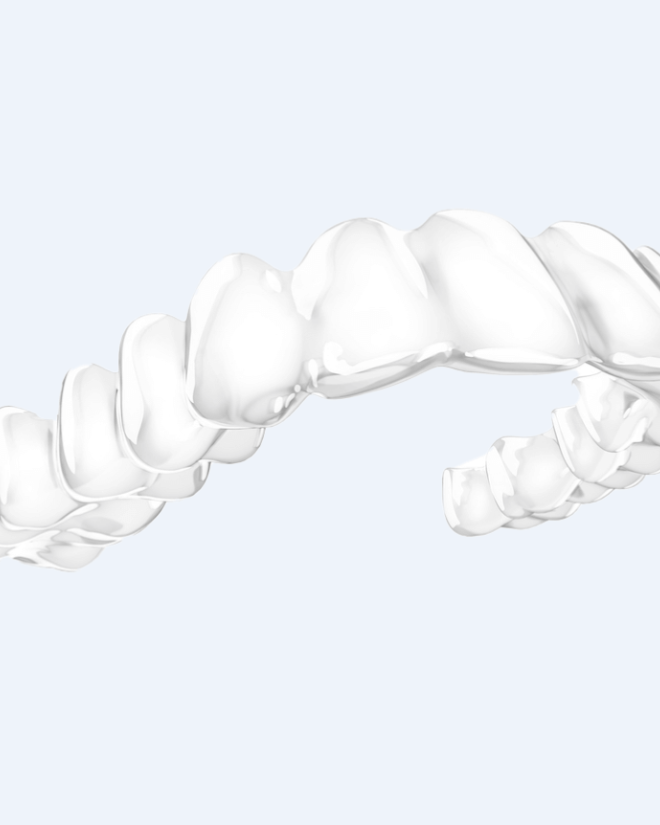
- Invisible braces: A popular choice for those seeking a more discreet solution. Invisible braces like Invisalign can effectively treat scissors bites without visible metal components.
- Expansion devices: These appliances can be used to widen the upper jaw, helping to correct the scissors bite and create space for the teeth.
In some cases, a combination of different orthodontic appliances may be necessary to achieve the best results. Our experienced team will work closely with you to ensure that you receive the most effective and comfortable treatment.
Crossbite vs. Scissor Bite
It’s important to understand the difference between crossbite and scissor bite, as these two types of dental misalignments require different treatment methods.
- Crossbite: This occurs when the upper teeth bite inside the lower teeth, which can happen on one or both sides of the mouth. Crossbite can affect both the front and back teeth, leading to asymmetric jaw growth and tooth wear.
- Scissor bite: This is characterized by the upper teeth biting outside the lower teeth, creating a shift. Scissor bite can affect chewing ability and speech, as well as increase the risk of gum disease and tooth wear.
How does it occur?
Scissor bite can occur for several reasons. Genetics play a significant role, as hereditary factors can influence jaw growth and tooth alignment. Early habits such as thumb sucking, prolonged use of pacifiers or bottles can also contribute to the development of scissors bite. Uneven jaw growth or differences in the size and shape of the jaws can further exacerbate the condition.
At OrthodonticsCPH, our dedicated team is ready to help you achieve a healthy and functional bite through professional and personalized treatment. Book your consultation today, and let us help you achieve the smile you deserve.
Frequently asked questions

What is a scissor bite?
A scissor bite is a malocclusion in which the upper teeth bite completely outside the lower teeth when the mouth is closed. This creates an abnormal bite pattern and can affect both the front teeth and the back teeth.
What is the difference between a scissor bite and a crossbite?
In a scissor bite, the upper teeth bite outside the lower teeth. In a crossbite, the opposite occurs, and the upper teeth bite inside the lower teeth. Although the conditions may appear similar, they require different treatment approaches.
How does a scissor bite develop?
A scissor bite may be caused by genetic factors, uneven jaw growth, or early habits such as thumb sucking or prolonged use of a pacifier or bottle.
How is a scissor bite treated?
A scissor bite is treated using orthodontic appliances such as fixed braces, clear aligners (for example Invisalign), or expansion appliances. Treatment is individually planned based on the patient’s specific needs.
What problems can a scissor bite cause?
A scissor bite may lead to difficulties with chewing and speech, an increased risk of tooth wear and gum disease, and an overall reduction in oral function.
Can a scissor bite be treated with clear aligners?
Yes, clear aligners such as Invisalign can be used to treat a scissor bite, particularly in mild to moderate cases. A thorough orthodontic assessment will determine the most appropriate treatment option.

Sornsiri Sae-Wang
Founder, manager and orthodontist at OrthodonticsCPH with extensive experience in treating children, adolescents and adults.